


Page 418 - SKF-bearing-housings
P. 418
Split pillow blocks SAF and SAW series


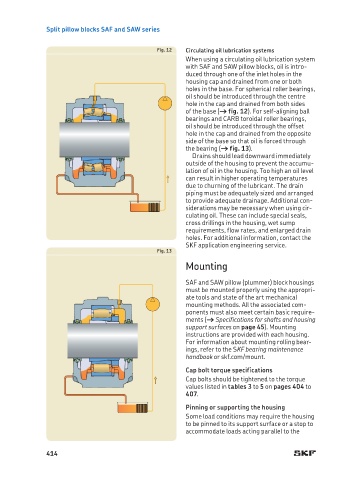
                                          Fig. 12  Circulating oil lubrication systems
                                                 W hen using a circulating oil lubrication system
                                                 with SAF and SAW pillow blocks, oil is intro-
                                                 duced through one of the inlet holes in the
                                                 housing cap and drained from one or both
                                                 holes in the base. For spherical roller bearings,
                                                 oil should be introduced through the centre
                                                 hole in the cap and drained from both sides
                                                 of the base († fig. 12). For self-aligning ball
                                                 bearings and CARB toroidal roller bearings,
                                                 oil should be introduced through the offset
                                                 hole in the cap and drained from the opposite
                                                 side of the base so that oil is forced through
                                                 the bearing († fig. 13).
                                                   Drains should lead downward immediately
                                                 outside of the housing to prevent the accumu-
                                                 lation of oil in the housing. Too high an oil level
                                                 can result in higher operating temperatures
                                                 due to churning of the lubricant. The drain
                                                 piping must be adequately sized and arranged
                                                 to provide adequate drainage. Additional con-
                                                 siderations may be necessary when using cir-
                                                 culating oil. These can include special seals,
                                                 cross drillings in the housing, wet sump
                                                 requirements, flow rates, and enlarged drain
                                                 holes. For additional information, contact the
                                                 SKF application engineering service.
                                          Fig. 13
                                                 Mounting

                                                 SAF and SAW pillow (plummer) block housings
                                                 must be mounted properly using the appropri-
                                                 ate tools and state of the art mechanical
                                                 mounting methods. All the associated com-
                                                 ponents must also meet certain basic require-
                                                 ments († Specifications for shafts and housing
                                                 support surfaces on page 45). Mounting
                                                 instructions are provided with each housing.
                                                 For information about mounting rolling bear-
                                                 ings, refer to the SKF bearing maintenance
                                                 handbook or skf.com/mount.
                                                 Cap bolt torque specifications
                                                 Cap bolts should be tightened to the torque
                                                 values listed in tables 3 to 5 on pages 404 to
                                                 407.
                                                 Pinning or supporting the housing
                                                 Some load conditions may require the housing
                                                 to be pinned to its support surface or a stop to
                                                 accommodate loads acting parallel to the


             414

