


Page 1099 - Rollingbearings
P. 1099
Designs and variants
           The locking principle             Precision lock nuts                Features and beneits
                                             with axial locking                 • Maximum axial run-out between the
           KMT and KMTA series precision lock nuts                                locating face and thread: 0,005 mm
           have three locking pins equally spaced   screws                      • Adjustable for precise axial positioning
           around their circumference (ig. 19 to                                • Effective locking prevents the nut from
           ig. 21) that can be tightened with grub   KMD lock nuts (ig. 23) were designed specif-  loosening under normal operating
           screws to lock the nut onto the shaft  The   ically for screw compressors but can be used   conditions
           end face of each pin is machined to match   in other applications where high precision,   • Simple installation and removal
           the shaft thread  The holes for the locking   simple assembly and reliable locking are   • No keyway required
           pins and grub screws are drilled with their   required  Once the four locking screws are   • Reusable
           axis parallel to the loaded lanks of the shaft   tightened, the lock nut will be accurately   • Designed for frequent installation and
           thread (ig. 22)  The locking screws, when   positioned at right angles to the shaft thread    removal
           tightened to the recommended torque, pro-  The locking screws, when tightened to the
           vide suficient friction between the ends of   recommended tightening torque, preload   These lock nuts are not listed in this cata-
           the pins and the unloaded thread lanks to   the lock nut and shaft threads and generate   logue, but can be found online at
           prevent the nut from loosening under nor-  suficient friction to prevent the nut from   skf com/go/17000-25-6
           mal operating conditions (Loosening torque,   loosening under normal operating condi-
           page 1098)  Because the locking pins are   tions  The locking screws do not carry any
           tightened against the unloaded lanks of the   part of the supported load in service   The locking principle
           shaft thread, they are not subjected to any   KMD lock nuts are available for thread
           application loads imposed on the nut   M 20x1 to M 105x2 (sizes 4 to 21)   KMD lock nuts are locked with axial locking
                                                                                screws (ig. 24)  The front of the lock nut
                                                                                locates the component on the shaft  The rear
                                                                                is tightened against the unloaded lanks of
                                                                                the shaft thread by axial locking screws,
                                                                                  creating suficient friction to prevent the lock
                                                                                nut from loosening under normal operating
                                                                                conditions


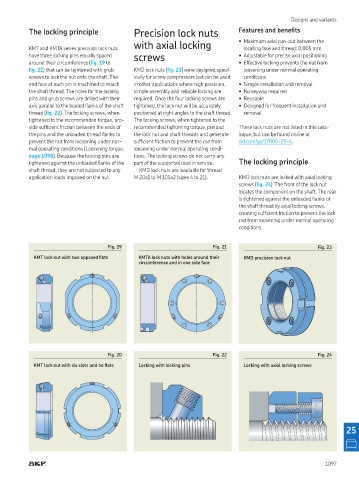
                                     Fig. 19                            Fig. 21                           Fig. 23

            KMT lock nut with two opposed lats  KMTA lock nuts with holes around their   KMD precision lock nut
                                               circumference and in one side face


                                     Fig. 20                            Fig. 22                           Fig. 24
            KMT lock nut with six slots and no lats  Locking with locking pins    Locking with axial locking screws


                                                                                                                    25


                                                                                                             1097

